

A mid-sized apparel manufacturing company aiming to improve profitability can use cost accounting to better understand its cost structure and identify opportunities for improvement. The company examines the costs of each clothing line, factoring in both direct and indirect expenses like fabric, dyes, stitching, factory maintenance, and quality control. Cost accounting software helps collect and analyze real-time data, enabling types of expenses in accounting management to make informed pricing and production decisions. Indirect costs, on the other hand, are expenses that cannot be directly linked to a single product or service but are vital for overall operations. Understanding the core cost elements is fundamental for businesses seeking to streamline financial operations. These elements form the foundation for thorough cost analysis, enabling effective expense management.
Classification of Costs by Controllability
It is a fixed expense that doesn’t change month to month, making it easier to plan for. For instance, a retail store in New York might spend $20,000 a month on rent to stay in a prime location. This cost ensures the store is accessible to customers and can continue generating sales. Following this publication can help minimize a business’s tax bill by applying all legitimate tax deductions, thus lowering taxable income.
Record Expenses Without Delays
Take control of your business expenses the easy way – all in one place, from any device – with QuickBooks’ expense tracker. Tracking your expenses is essential to staying on top of your business finances and your profitability. Cost-volume-profit analysis examines the impact shifts in costs and volume have on a company’s operating profit. In short, it is used to determine how many units need to be sold to cover all costs and break even. Cost accounting isn’t just about creating a list of expenses but also about determining where a company earns and loses money. Expense is accounted for under the accruals principal whereby it is recognized for the whole accounting period in full, irrespective of whether payments have been made or not.
Financial accounting
A company that manufactures cars or toys has materials costs that vary with the season and consumer demand. Cost accounting has elements of traditional bookkeeping, system development, creating measurable information, and input analysis. For many firms, cost accounting helps create and measure business strategy in a more organic way. Cost accountants track the company’s spending across these three areas and create internal reports that break it down.
What Are Capital Expenditures (CapEx)?
- Meanwhile, operating costs comprise fixed and variable expenses required to run the business day to day.
- However, they are shown in the cashflow statement and reduce the owner’s equity in the statement of financial position.
- By understanding and recording expenses like these, businesses can set better budgets, control unnecessary spending, and plan for growth.
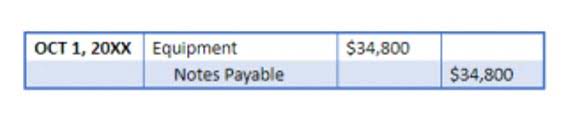
- This asset, however, would be charged as an expense over the term of its useful life through depreciation and amortization.
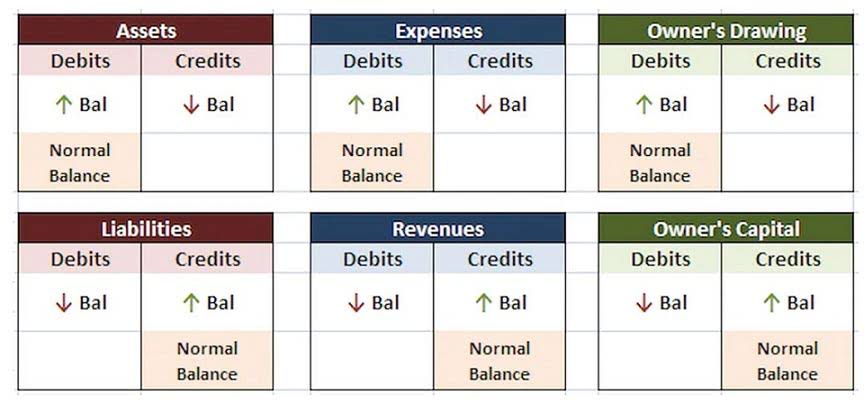
- Expense accounts are considered temporary accounts in the accounting world.
Variable costs are those Accounts Receivable Outsourcing cost which varies directly in proportion to change in the volume of production/output. Cost accounting can give your business detailed insight into how your money is being spent. With this information, you can better budget for the future, reduce inefficiencies and increase profitability.
It is necessary to consistently record expenses in the income or profit and loss statements to reflect the company’s accurate and current financial position. The expense report facilitates the computation of net profit at the end of the year. In addition, it creates the financial information used for management decisions and investors and other stakeholders for investment decisions. In other words, a firm records an expense when it disburses cash or promises to disburse cash for an asset or service used to generate income. A manufacturer would record an expense when it pays its employees for producing its products. Activity-based costing is useful for businesses that want to understand the true costs of providing a good or service.
Tax accounting
- It is advisable to consult with a tax professional when interpreting Publication 535, as it is intricate and may vary based on specific business circumstances.
- Correctly distinguishing between capital and revenue expenditures is important for accurate financial reporting.
- Public accounting focuses on helping a range of clients, including individuals, corporations, and small businesses, by providing services based on their needs.
- Under accrual accounting, expenses are recognized in the books of a company when they are incurred, irrespective of whether an actual cash transaction has occurred.
- Product cost includes direct material, direct labor, direct expenses, and manufacturing overheads.
- Cost accounting, however, doesn’t have to abide by these regulations since it’s used internally.
Advertising helps businesses bookkeeping reach new customers and stay competitive in the market. It includes costs for online ads, billboards, and even TV commercials. For instance, an e-commerce store might spend $10,000 on social media ads during a holiday sale. This expense is not just about spending—it is an investment to attract customers and boost sales. Utilities cover essential services like electricity, water, and internet.
